 Tick Control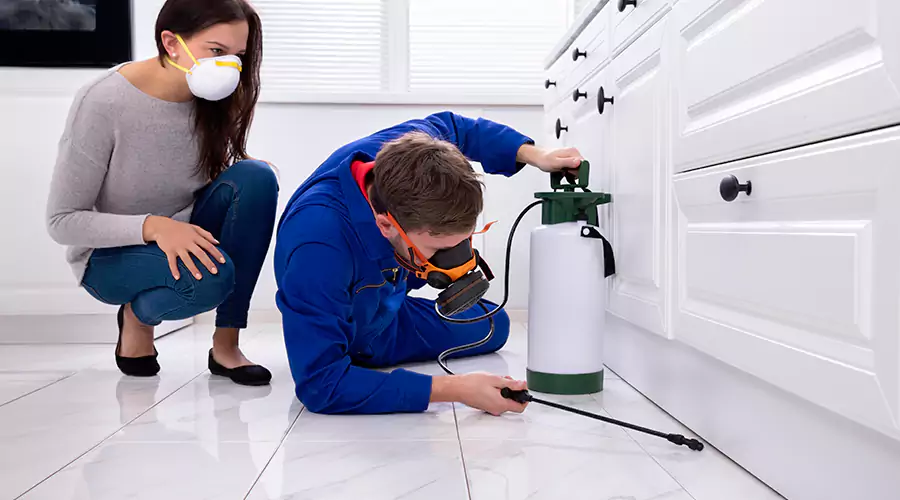
 Google Reviews
 (591)
(591)


Proudly American

 Termite Control
 Bed Bug Treatment
 Rodent Control
 Cockroach Control
 Ant Control
 Mosquito Control
 Bee Control
 Wildlife Control
 Exterminator Control
Preparing your home before a pest control treatment can make the service more effective and safer for everyone in the house. Whether you are dealing with ants, roaches, rodents, termites, bed bugs, fleas, spiders, mosquitoes, or other pests, the right preparation helps the technician inspect problem areas, apply treatment properly, and reach the places where pests hide.
Many homeowners think pest control only depends on the product being used, but preparation matters just as much. Clutter, blocked access, uncovered food, dirty surfaces, pet items, and missed hiding spots can make treatment harder. A clean and organized home gives the pest control professional a better chance to treat the right areas.
This guide explains how to prepare your home before a pest control treatment and what steps you should take before the technician arrives.
Pest control works best when the technician can inspect and treat the areas where pests live, travel, and nest. Pests often hide under sinks, behind appliances, inside cabinets, near baseboards, in closets, around plumbing, under furniture, and in outdoor cracks or gaps.
If these areas are blocked or cluttered, the treatment may not reach the source of the problem. Proper preparation helps reduce hiding places, protects personal items, and gives the technician a clearer view of pest activity.
Good preparation can help with:
Before preparing your home, ask the pest control company what steps are required for your specific treatment. Preparation can vary depending on the pest and service type.
For example, bed bug treatment usually requires more detailed preparation than general ant or spider service. Flea treatment may require vacuuming and pet care steps. Roach treatment may require kitchen and cabinet access. Rodent control may focus more on entry points, storage areas, and sanitation.
Always follow the instructions provided by your pest control company because they know what treatment method will be used.
Basic cleaning before pest control can help remove food sources and make pest activity easier to spot. This does not mean deep cleaning every inch of the home, but it does mean removing crumbs, spills, trash, and clutter from problem areas.
Focus on:
Avoid cleaning away important pest evidence such as droppings, nests, or damaged materials before the technician sees them. If you need to clean for safety, take photos first.
If your treatment involves the kitchen, pantry, or dining area, protect food and food contact items before service. Store open food in sealed containers or move it away from treatment areas.
You may need to cover or remove:
If cabinets will be treated, the pest control company may ask you to empty certain shelves. Follow their instructions carefully and keep items organized so they can be replaced later.
Many pests travel along walls, baseboards, and corners. If the technician needs access to these areas, move furniture slightly away from the wall before the appointment.
This may include sofas, beds, dressers, shelves, nightstands, or storage bins. You do not always need to move every item, but you should clear the areas where pest activity has been noticed.
For bed bug service, access to beds, mattresses, headboards, couches, and nearby furniture is especially important.
Clutter gives pests more places to hide. It also makes inspection and treatment harder. Reducing clutter helps expose pest activity and improves access to cracks, corners, and storage areas.
Pay attention to:
Use sealed plastic bins when possible. Avoid moving potentially infested items from one room to another because this can spread pests, especially bed bugs and roaches.
Before treatment, ask the pest control company how long people and pets should stay away from treated areas. Some services may require temporary evacuation, while others may only require staying out of certain areas until dry.
Prepare by moving or covering:
Fish tanks and bird cages may need special care because some products can affect them. Always tell the technician about pets before service begins.
Rodent control preparation is slightly different from insect treatment. The technician may need access to attics, garages, crawl spaces, kitchens, pantries, and exterior entry points.
Before rodent service:
Rodent control often includes inspection, trapping, exclusion recommendations, and sanitation guidance. Traps alone may not solve the problem if entry points remain open.
Roaches and ants often hide near food, water, and warmth. Kitchen and bathroom preparation can make treatment more effective.
Helpful steps include:
Do not use store bought sprays right before professional treatment unless the company tells you to. Some sprays can interfere with bait or push pests into new hiding places.
Bed bug preparation is usually more detailed. Bed bugs hide in beds, furniture, clothing, curtains, luggage, and cracks near resting areas. Preparation may vary depending on whether the company uses heat, chemical treatment, or another method.
Common bed bug prep may include:
Always follow the company’s bed bug instructions exactly because improper preparation can spread the infestation.
If the pest control treatment includes the exterior, make sure outdoor areas are accessible. The technician may need to treat around the foundation, windows, doors, garage, patio, or yard.
Outdoor preparation may include:
Good exterior access helps treat entry points and pest activity around the home.
Your observations are important. Before treatment begins, tell the technician where you saw pests, when you saw them, and what signs you noticed.
Mention details such as:
This information helps the technician choose the right areas to inspect and treat.
Some actions can make pest control less effective or spread the problem.
Avoid these mistakes:
Following instructions can help the treatment work better and reduce repeat pest problems.
Preparing your home before a pest control treatment helps the technician inspect, treat, and monitor the problem more effectively. Clean key areas, store food safely, reduce clutter, move items when needed, protect pets and children, and give the technician clear information about pest activity.
Preparation may differ depending on the pest, so always follow the pest control company’s instructions. The better your home is prepared, the easier it is to target hidden pests, reduce activity, and support long term prevention.